

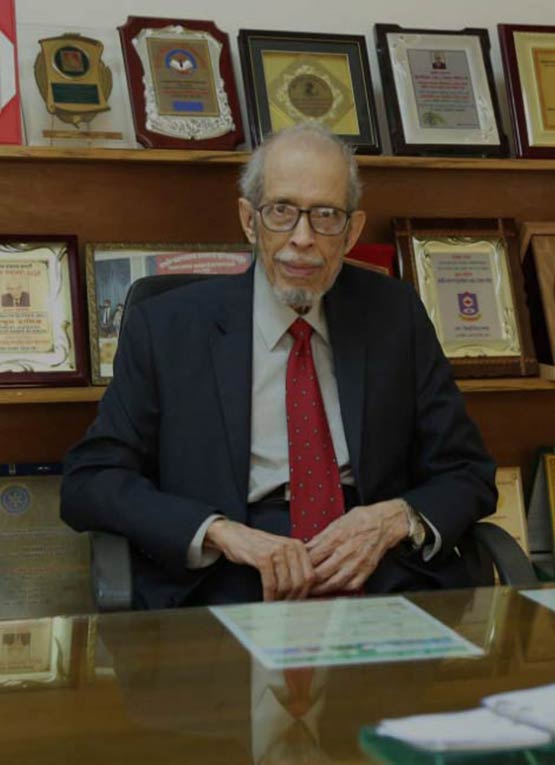





National Professor Brig. (Rtd.) Abdul Malik, a trailblazer in cardiovascular health, was born on December 1, 1929, in Pashchimbhag Village, Sylhet district. Despite losing his father, Md. Furkan Ali, at an early age, his mother, Syeda Nurunnesa Khatun, played a crucial role in shaping his success.
The National Executive Council (NEC) serves as the primary governing body responsible for the strategic direction, policy formulation, and administrative oversight of the foundation. It ensures that the organization’s activities align with its mission to combat cardiovascular disease.
Prevention and rehabilitation are the two “bookends” of heart health. While the hospital treats acute issues, these departments focus on stopping heart disease before it starts and helping patients reclaim their lives after a cardiac event.
Diagnostic services are the backbone of a heart foundation hospital, providing the critical data needed to identify cardiovascular issues before they become life-threatening. These services range from routine screenings to advanced invasive imaging.
Clinical services represent the core medical and surgical care provided to patients. In a heart foundation hospital, these services are often divided into specialized units that handle everything from emergency heart attacks to complex open-heart surgeries.
Primary and preventive care are important parts of the healthcare system. Primary care provides basic medical services and acts as the first point of contact for patients. It includes health checkups, diagnosis, treatment of common illnesses, and medical advice. Preventive care focuses on preventing diseases and maintaining good health through vaccinations, regular screenings, health education, and healthy lifestyle practices. These services help detect health problems early and reduce the risk of serious illnesses. Primary and preventive care improve overall community health and reduce healthcare costs by preventing diseases before they become severe..
The Cathlab service is an essential part of modern cardiac healthcare, providing advanced diagnostic and treatment procedures for heart diseases. Common services include Coronary Angiography (CAG), which helps identify blockages in the heart’s blood vessels, and Percutaneous Transluminal Coronary Angioplasty (PTCA), a procedure used to open blocked arteries by placing a stent or ring. Permanent Pacemaker (PPM) implantation is performed for patients with abnormal heart rhythms to maintain a regular heartbeat. These specialized cardiac procedures help in the early diagnosis and effective treatment of cardiovascular diseases, improving patient outcomes and quality of life.
Open heart surgery is a major surgical procedure performed to treat serious heart conditions such as blocked arteries, damaged heart valves, congenital heart defects, or heart failure. During the surgery, the chest is opened to allow surgeons to operate directly on the heart. Common types of open heart surgery include bypass surgery, valve repair or replacement, and correction of structural heart problems. This procedure is performed by specialized cardiac surgeons using advanced medical technology to improve heart function and save lives. Proper post-operative care and rehabilitation are essential for a successful recovery and improved quality of life.
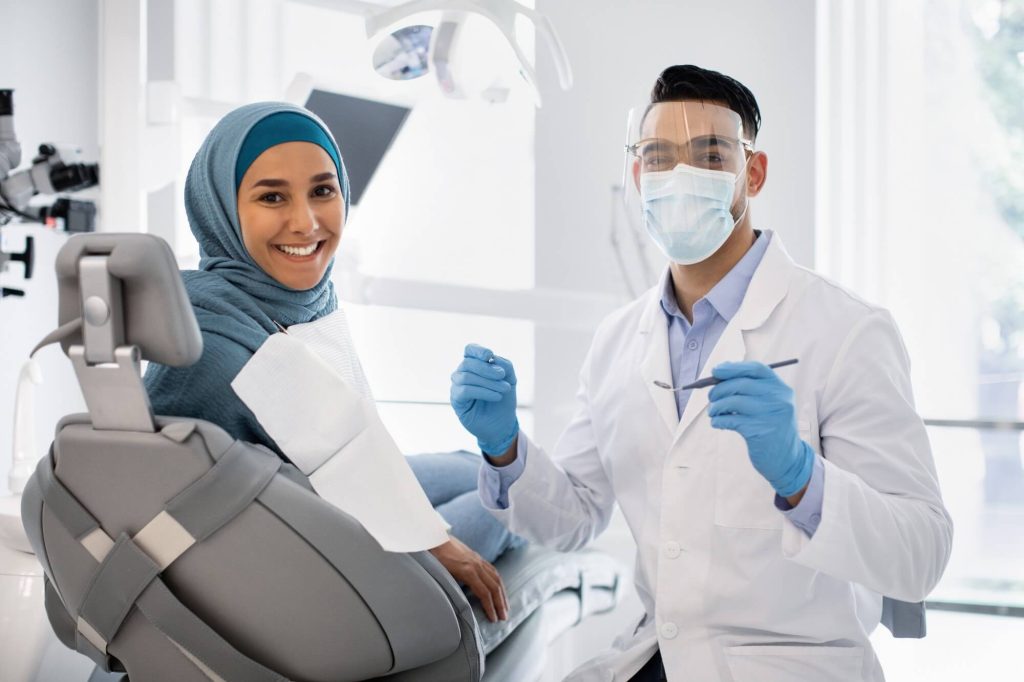
Outpatient Department (OPD) services provide medical consultation, diagnosis, and treatment to patients who do not require hospital admission. OPD services are often the first point of contact for patients seeking healthcare and include general physician consultations, specialist doctor visits, health checkups, diagnostic tests, follow-up care, and minor medical procedures. These services help in the early detection and treatment of illnesses while reducing the need for hospitalization. Efficient OPD services ensure timely medical attention, improve patient satisfaction, and support better overall healthcare management.
Diagnostic services are an essential part of healthcare that help in the accurate detection, diagnosis, and monitoring of diseases and medical conditions. These services include laboratory tests, imaging procedures such as X-rays, ultrasound, CT scans, MRI, ECG, and other medical examinations. Diagnostic services assist doctors in identifying health problems at an early stage, planning effective treatment, and monitoring patient progress. Accurate and timely diagnostic reports play a crucial role in improving patient care, treatment outcomes, and overall health management.

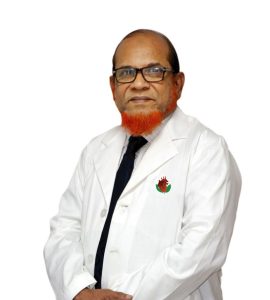
MBBS, D.Card (DU)
Member American Heart Association (ESC)
Ex. Head Department of Cardiology
Sylhet MAG Osmani Medical College & Hospital Sylhet
Appointmenet: 01787-487117

MBBS.MS.(CTS)
Professor & Department Head of Cardiac Surgery
National Heart Foundation Hospital & Research Institute Dhaka.
Appointmenet: 01787-487117
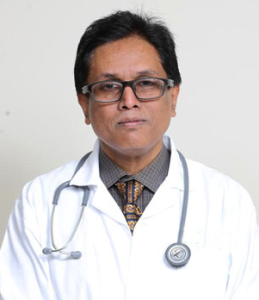
MBBS; MRCP; MD (Cardiology)
MSc Cardiology (Dublin)
National Heart Foundation Hospital, Sylhet.
Appointmenet: 01787-487117

MBBS; MD; MCSI; FESC; FACC
National Heart Foundation Hospital, Sylhet.
Appointmenet: 01787-487117

MBBS, MS (CV & TS)
Associate Professor & Senior Consultant of Cardiac Surgery
National Heart Foundation Hospital & Research Institute Dhaka.
Appointmenet: 01787-487117

MBBS, MD (Cardiology)
Senior Consultant
National Heart Foundation Hospital, Sylhet.
Appointmenet: 01787-487117